
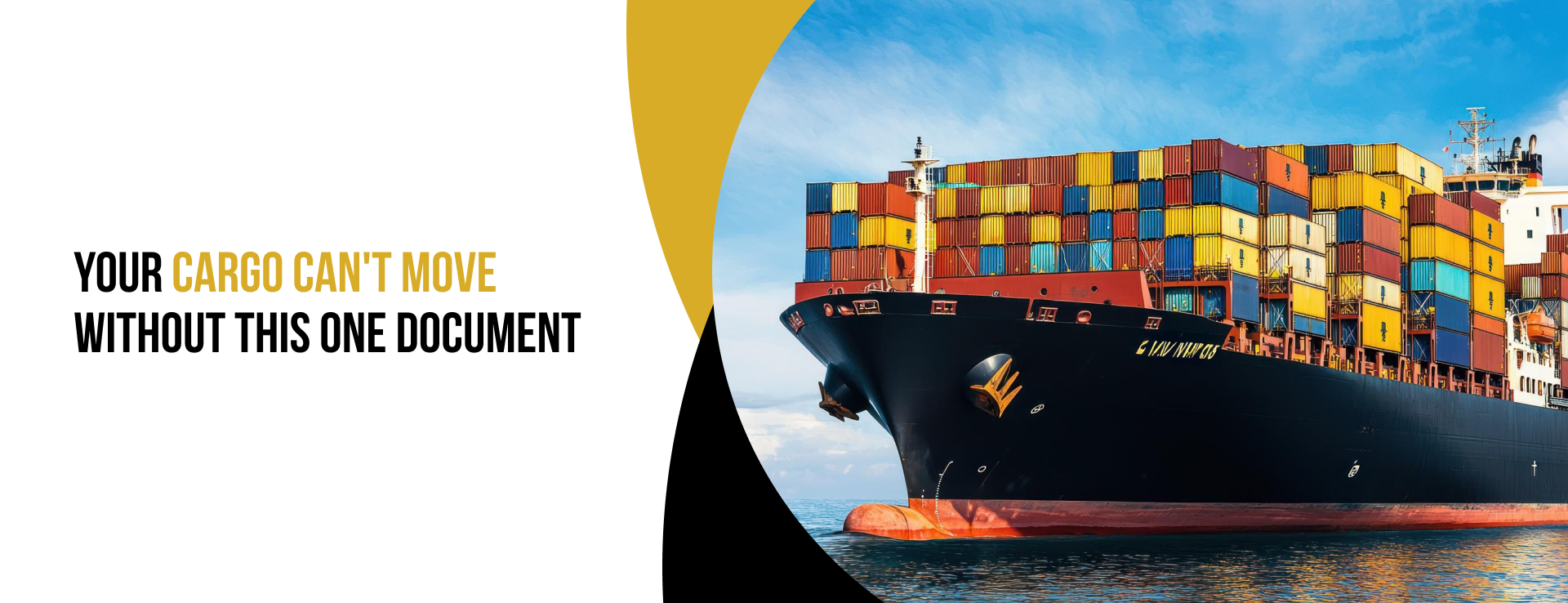

What Is a Bill of Lading? Simple Explanation with Real Examples
There are billions of dollars worth of goods traveling the world everyday, connecting manufacturers, importers and exporters around the globe. From pharma and electronic products to textiles and machinery, international trade relies on thousands of shipments arriving safely and on time. Yet behind all the successful shipments, there is a small stack of paperwork, and one document that sits at the center of all which is known as the Bill of Lading.
Whenever this document is missed, delayed, or contains incorrect information, your cargo can remain stuck at ports for days or even weeks. The charges start rising, the customs process slows down, and ownership disputes may arise. A single error in documentation can disrupt the entire supply chain and create unnecessary charges for traders.
The Bill of Lading is much more than any other shipping document as it serves as a receipt for the goods, a legal contract between the shipper and the carrier, and proof of ownership while the cargo is in transit. If you are into global trade, then understanding the bill of lading is a must. This blog guides you through the bill of lading in simpler terms, its key functions, and highlights its importance in international shipping.
What is the Bill of Lading?
A Bill of Lading (B/L) is a legal document issued by the shipping carrier after receiving goods for transportation. It shows what type of goods are being transported, who the sender is, the details of the recipient, and the route or destination address.
To understand better, think of it as a combination of three documents in one which acts as proof that the goods have been handed over to the carrier, and who owns the legal right to claim the cargo once it reaches its destination.
Let’s take a hypothetical example. Suppose an exporter in India ships pharma products to a buyer in the UAE and once the shipment is loaded, the shipping company issues the bill of lading. This document holds details like the exporter’s name, buyer’s information, product description, no. of cartoons, destination port, and container details. Whenever the shipment arrives, the buyer uses the bill of lading to claim the cargo once the required customs clearance process is finished.
Three Important Functions of Bill of Lading
A Receipt of Goods: It's a proof from the carrier that they received the exact goods declared by the shipper. If a shipment arrives damaged or short, this document is where you start checking what was actually loaded vs what was promised.
A Contract of Carriage: The bill of lading also outlines the terms of transport - the agreed route, the conditions, and the obligations of the carrier. It's the rulebook for what happens between pickup and delivery.
A Document of Title: This is the part people underestimate. Whoever legally holds the bill of lading in shipping transactions effectively holds ownership of the goods while they're in transit. It may seem surprising, but a single document determines who has the legal right to claim goods while they're being transported.
Why Is a Bill of Lading Important for Importers and Exporters?
Bill of lading is important for importers and exporters because it protects both sides of a cross-border deal. It ensures the exporter that the goods have taken the responsibility for goods. The importer also has proof of what’s coming and under what conditions.
Banks also rely heavily on it, especially where Letters of Credit are involved. A bank won't release payment under an LC arrangement without the correct bill of lading in hand, since it's the document that proves the shipment actually happened as per the agreed terms.
It also plays a central role in customs clearance. Authorities at the destination port use it to verify the shipment before releasing cargo to whoever legally holds the document. If you get the details wrong here, the shipment may not move forward until it's sorted out, sometimes at real cost.
Different Types of Bills of Lading You Should Know
Straight Bill of Lading: It’s a non-negotiable document that is issued to a specific buyer. Ownership can't be transferred to someone else through this document - it's meant for one buyer, and that's who receives the goods.
Order Bill of Lading: This document is negotiable which also means that ownership of the goods can be transferred while the goods are still in transit. This version shows up often in trade finance, where a shipment might get sold or used as collateral before it even reaches port.
Clean vs. Claused B/L: A clean bill of lading indicates that the goods were handed over properly, with no damage to the goods visible and no shortages; the carrier could not find any errors. While a claused bill of lading points out problems like damaged packaging, a shortage, or anything the carrier noted before departure. Knowing the difference between them is extremely important when it comes to resolving insurance claims and other disputes afterwards.
Common Mistakes to Avoid with a Bill of Lading
Mismatched Details: Mismatched descriptions between the commercial invoice and the B/L cause more delays than almost anything else on this list. If the quantities, weights, or product descriptions don't line up across your shipping documents, customs officials notice it, and they stop the shipment until it's resolved.
Delayed Transfers: Delays in transferring the original physical or electronic copy to the destination agent create avoidable disruptions in cargo release. Even if everything else is correct, cargo can't be released without the actual document reaching the right hands on time, and that's a purely logistical problem people underestimate until it costs them.
Incorrect Consignee Details: These details are quieter but costlier ones. A wrong name or address on the consignee line can hold cargo at port indefinitely, since customs won't release goods to anyone who doesn't match what's on the document exactly.
Wrapping Up
A bill of lading is far more than a shipping form that travels with the cargo. It's the legal backbone that makes international trade actually work. It’s a proof of receipt, the contract governing transport, and the document that decides who owns the cargo during unexpected situations. When you get the details right, the shipment moves smoothly from origin to destination but if you get them wrong, even a minor mistake can leave cargo stuck at the port for days.
If you're managing international shipments and don’t want surprises with your paperwork, trade intelligence platforms like EX-IM By The Dollar Business can help you verify shipment patterns and catch issues before they become expensive ones. Not only this but you get verified importer-exporter contact details, market trends, what your competitor is doing, and much more. Book a demo to learn more about it and see how it fits into your next shipment!
Frequently Asked Questions
1. What is the bill of lading?
It's a document the shipping carrier issues once it takes accountability of goods for transport. It works as a receipt, a contract of carriage, and proof of who legally owns the cargo while it's in transit.
2. Who issues a Bill of Lading?
The shipping carrier, or their appointed agent, issues it, usually right after the cargo is loaded. A freight forwarder often helps coordinate this on the exporter's behalf.
3. Is a Bill of Lading legally required?
Yes, in almost every case. Without a valid one, there's no formal proof the carrier received the goods, and customs authorities won't release cargo without it.
4. What happens if the original B/L is lost?
If the original Bill of Lading is lost, the cargo may not be released until the issue is resolved.
Recent Blogs

Best Products to Export Based on Global Demand 2026
Discover best products to export in 2026 based on global demand and market opportunities Identify highdemand products and top export markets

India’s Import Export Data: Everything You Need to Know in 2026
Trade data isn't just numbers Discover how Indian businesses use importexport data to find buyers track competitors and much more in 2026
CIF vs FOB vs EXW Explained for Beginners
CIF vs FOB vs EXW explained for beginners learn what each Incoterm means who pays for what and when risk transfers in international shipping